KN
Khanh NguyenFullstack Engineer
Blog
PortfolioShowcaseSPIT Management — Spring Boot & Next.js
Project Case Study
Project Case StudyID: SPIT-MANAGEMENTEngineering Notes

SPIT Management — Spring Boot & Next.js

Architecture BriefingSYSTEM OVERVIEW

A club-management system with Java Spring Boot, Next.js and MySQL, covering members, semesters, tasks, notifications and role-based access control.

Source Code

Technologies & Architecture Stack

8 Components
Java 21
Spring Boot 3
Spring Security
Next.js 16
React 19
TypeScript
MySQL
Docker
knguyen.dev/showcase/spit-management
200 OK
SPIT Management — Spring Boot & Next.js
4 Highlights
01

JWT access/refresh-token flow with Spring Security authorization

02

Member, board, semester and task-management workflows

03

Next.js and React dashboard with TanStack Query

04

MySQL persistence, Flyway migrations and Docker Compose setup

By Khanh Nguyen (Nguyễn Đình Khánh Nguyên) · Updated 15 October 2026

Modeling club operations across the full stack

SPIT Management is a full-stack club-management system with a Java backend and a Next.js frontend. Its documented workflows cover users, members, boards, semesters, tasks, task requests and internal notifications. That domain is a useful setting for discussing Fullstack engineering because access rules and data relationships affect the UI as well as the API.

A semester is more than a filter label: it provides context for membership records, responsibilities and dashboard statistics. The application needs consistent definitions across those views. Modeling the same workflow across the interface, API and database is the central Fullstack concern in this project.

Backend and frontend architecture

The public repository identifies Java 21, Spring Boot 3, Spring Security, Spring Data JPA, MySQL and Flyway on the backend. It documents JWT access and refresh tokens, BCrypt password hashing, validation and OpenAPI documentation. Cloudinary supports avatar uploads.

The frontend uses Next.js 16, React 19, TypeScript, Ant Design and TanStack Query. Docker Compose brings the frontend, Spring Boot backend and MySQL database together for local setup. Flyway tracks database changes, while OpenAPI documentation provides a reference for the API boundary.

Why this is a useful Fullstack case study

This project lets a reviewer follow a business workflow through the interface, API authorization and relational persistence. The code and setup instructions provide a concrete starting point for discussing model boundaries, database migration and client query state. The smaller Express and Flask projects provide useful comparisons for how similar concerns appear in different stacks.

Related work and evidence

  • Review the architecture, setup instructions and documented workflows. SPIT Management public repository.
  • Inspect the backend framework and persistence libraries. Spring Boot backend dependencies.
  • Compare the club-management domain in another backend stack. Earlier Express API case study.
  • Read my checklist for reviewing changes across UI, API and data boundaries. AI-assisted Fullstack development workflow.
  • For my broader skills and background, view my CV. Khanh Nguyen — Fullstack Software Engineer CV.
  • Review configuration boundaries when deploying a separate frontend and backend. Next.js environment variables at build and runtime.

Other Featured Projects

Explore 10 additional software architectures and production case studies

Page 1 of 4
Hue Festival — Next.js Cultural Landing Page
Verified Spec

Hue Festival — Next.js Cultural Landing Page

Live DemoDetails
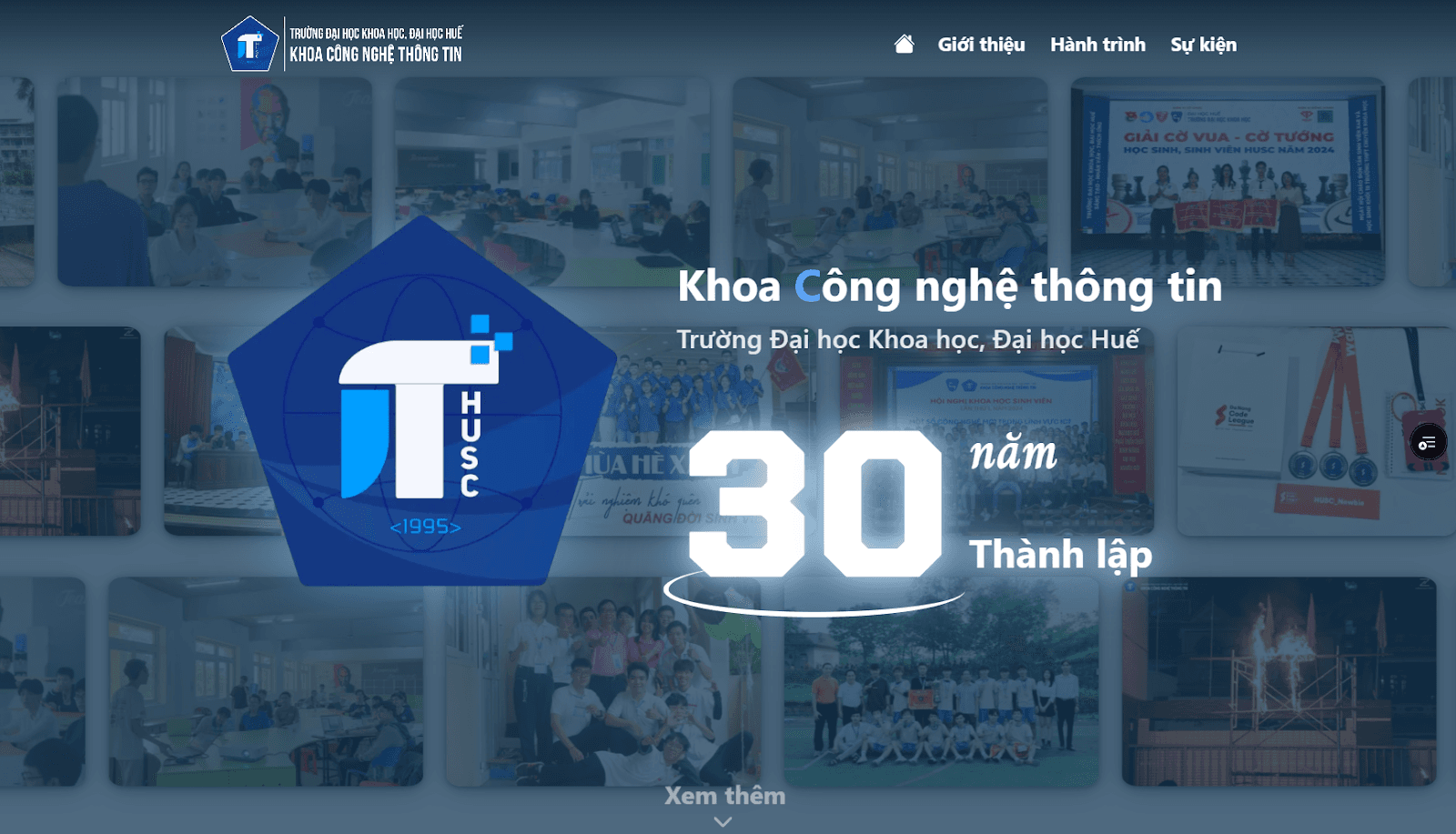
IT HUSC 30 — University Anniversary Website
Verified Spec

IT HUSC 30 — University Anniversary Website

Live DemoDetails
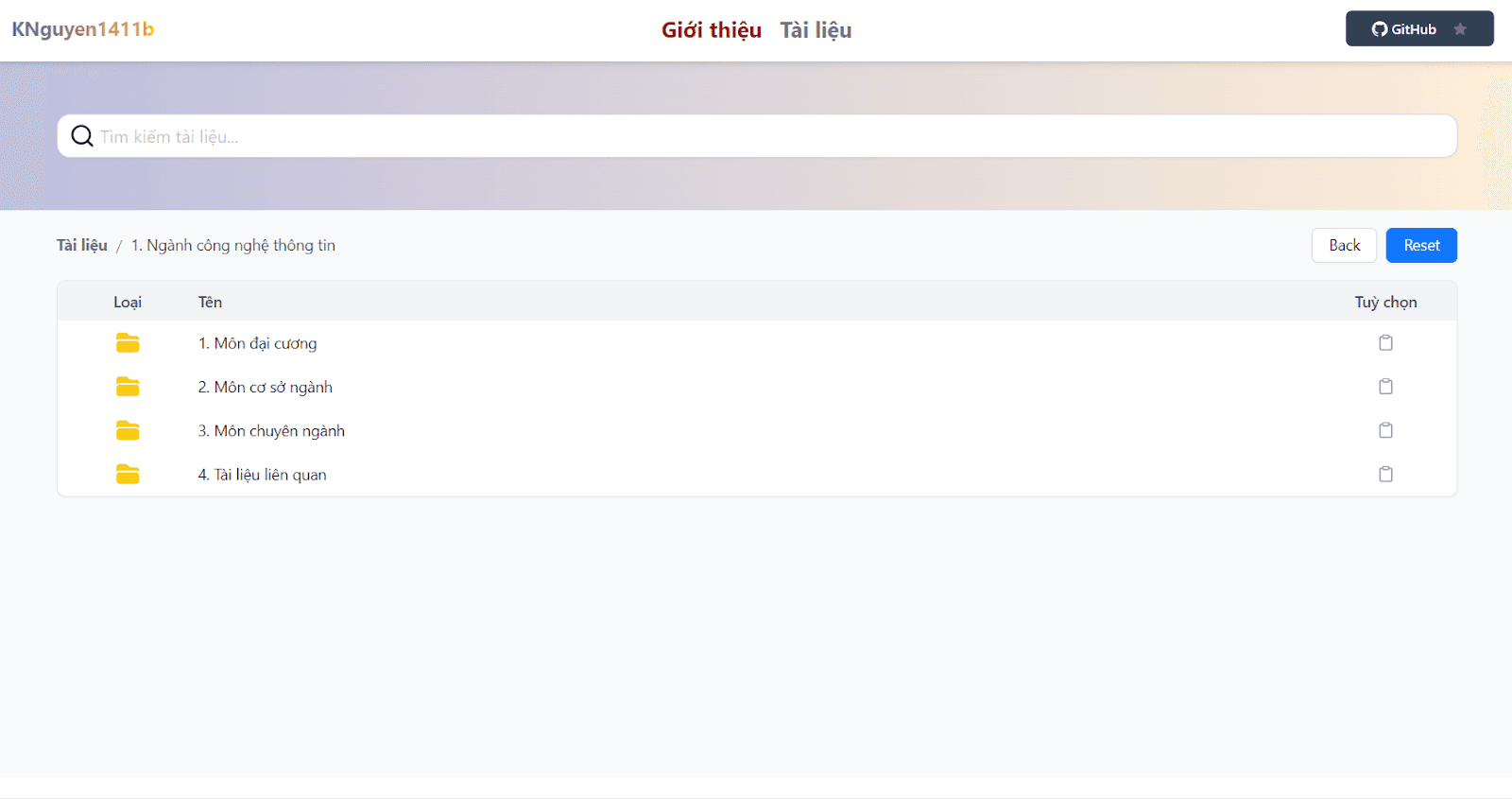
Next Document Hub — Document Browsing & Preview
Verified Spec

Next Document Hub — Document Browsing & Preview

Case StudyDetails
Ecosystem & Social Protocols
  • GitHub
    @knguyen1411bSource Code & Repos
  • LinkedIn
    Khanh NguyenProfessional Network
  • YouTube
    @knguyen1411bTech & Architecture
  • Facebook
    @knguyen1411bSocial & Community
  • Instagram
    @knguyen1411bEngineering Life
  • Engineering Blog
    blog.ndknguyen.io.vnTechnical Journal
  • Discord / Community
    knguyen1411bDev Discussion
KN
Nguyen Dinh Khanh Nguyen
Nguyễn Đình Khánh Nguyên · Fullstack Software Engineer

Architecting resilient distributed systems, high-performance web applications, and modern user-centric software with precision and modern engineering craft.

All Systems Operational · 100/100 Core Web Vitals
Navigation
  • 01Cockpit Terminal
  • 02Engineering Matrix
  • 03Production Arsenal
  • 04Direct Transmission
Ecosystem
  • GitHub Workspace
  • Engineering Blog
  • LinkedIn Network
  • YouTube Channel
  • Facebook Community
Architecture & Specs
Next.js 16 TurbopackEDGE
React 19 & TypeScriptSTRICT
Lenis Smooth Physics60FPS
Admin TerminalSECURE
Hue, Vietnam·14:00:00 ICT (UTC+7)
© 2026 Nguyễn Đình Khánh Nguyên. All rights reserved.