By Khanh Nguyen (Nguyễn Đình Khánh Nguyên) · Updated
Messaging starts with users and rooms
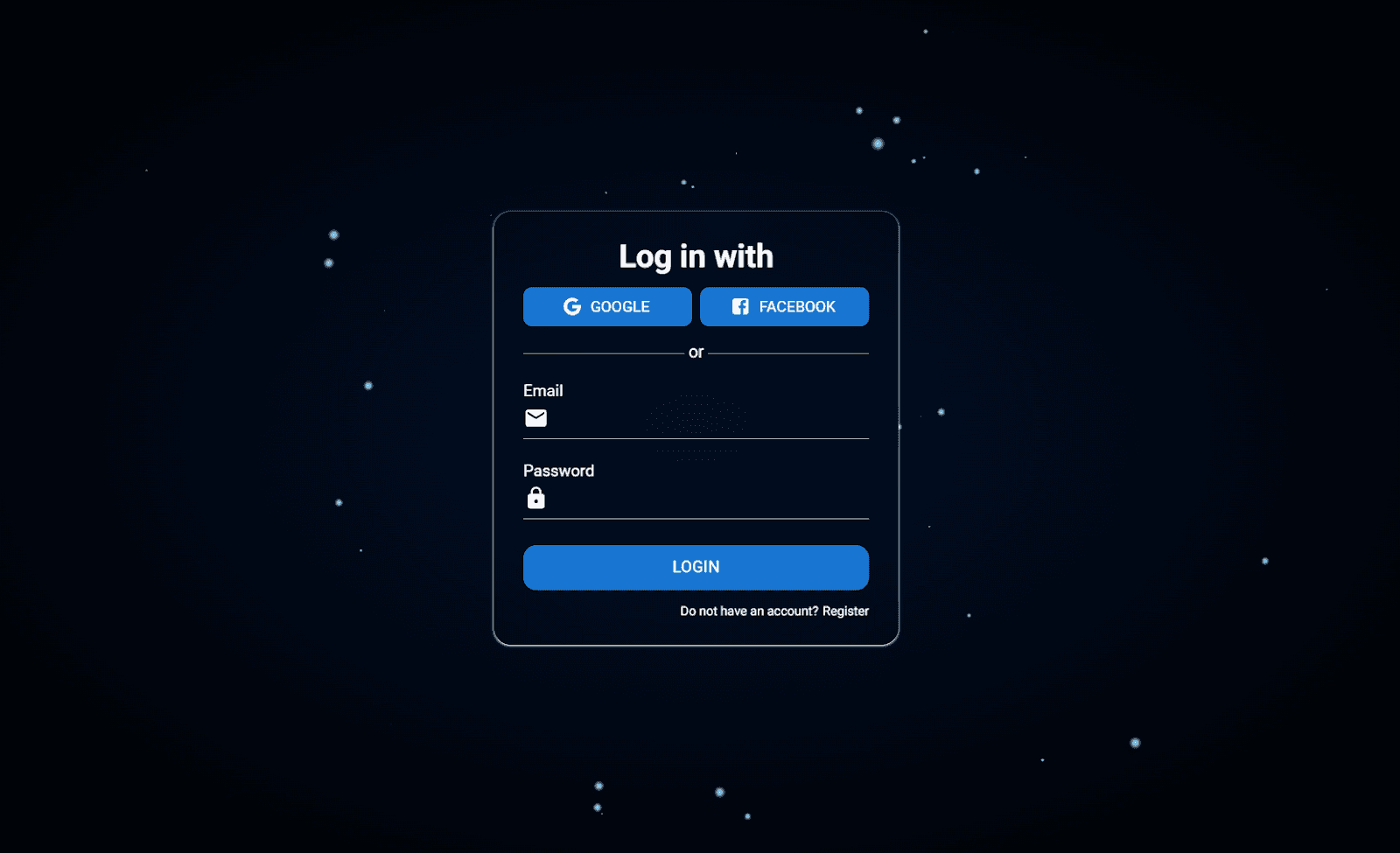
Chat App connects authentication, room membership and conversations in a single web interface. A user signs in, creates a room, adds participants and exchanges messages. Room membership gives the application a concrete domain model: people communicate within an identified conversation instead of an unstructured global feed.
Signing in, opening a room and updating its member list all affect what the user can see and do. The interface brings these states together so a conversation remains connected to its participants. This makes the project a focused example of how shared application data becomes an interactive React experience.
Implementation and interaction flow
The repository uses Next.js 14, React 18, Firebase, TypeScript, Material UI and Tailwind CSS. Its README describes Google, Facebook and email/password authentication, creating rooms, adding members by selection or user ID, and managing rooms and participants. These are the main behaviors to inspect in the source.
Separating sign-in forms, room controls and the conversation interface makes the code easier to navigate. Real-time updates also require attention to listener cleanup and loading states. Those concerns are review criteria for a messaging application, not a claim that its authentication alone proves every room permission is secure.
What this project demonstrates
For a Fullstack role, this project provides a focused discussion of identity, shared data and interactive UI state. It complements the server-rendered publishing flow in Khanh Nguyen Blog: both use Firebase, while a chat room has very different update and membership requirements from a published article.
Related work and evidence
- Review the implementation and screenshots in the public repository. Chat App source code and setup instructions.
- Compare the messaging flow with a content publishing application. Next.js blog with Firestore and Markdown.
- Read how I frame small changes and verify application behavior. AI pair programming: a verification-first workflow.
- For my broader skills and background, view my CV. Khanh Nguyen — Fullstack Software Engineer CV.